A hundredfold in a year of drought
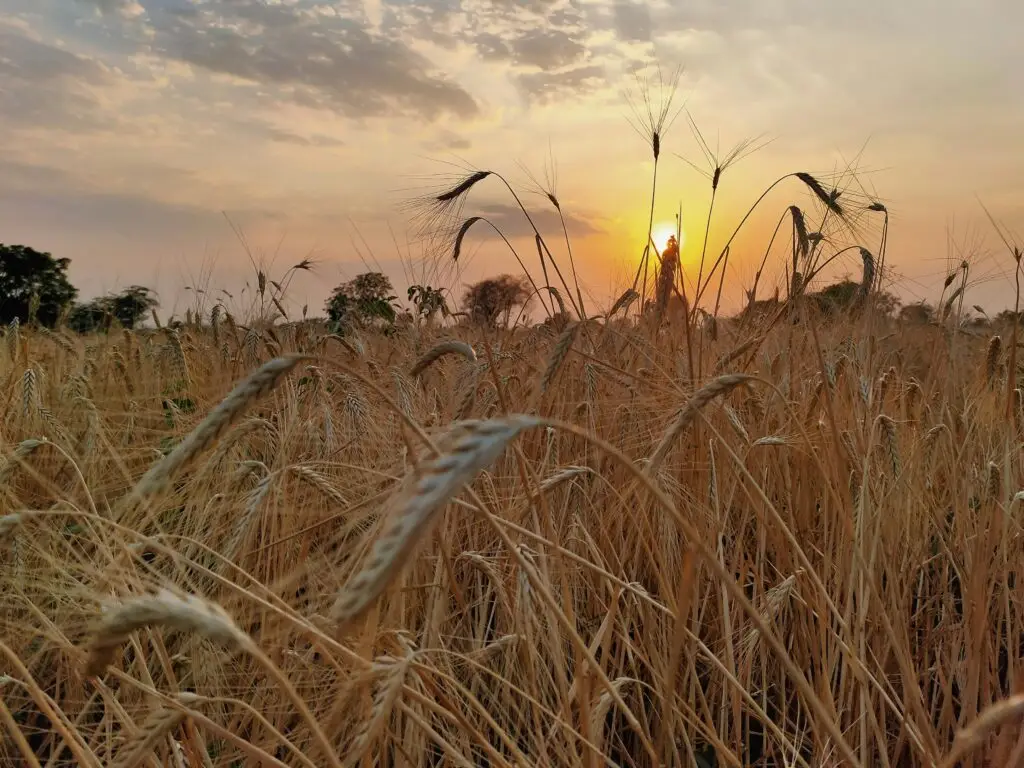
In a year of famine Yitzchak chooses to remain in the Land, and it is precisely then that he merits a "hundredfold." Our close bond with Eretz Yisroel is built out of hardship
In the parsha, Parshas Toldos, the Torah tells of the famine that struck the Land in the days of Yitzchak.
Yitzchak Avinu's first instinct was to follow in the footsteps of his father Avraham and go down to Mitzrayim – a land that enjoyed an abundance of water from the Nile and where there was no famine. However, when he reaches the city of Gerar on his way out, Hashem appears to him and commands him: "Do not go down to Mitzrayim" (Bereishis 26:2). It is made clear to him from Heaven that because he has been an olah temimah (an unblemished offering) since the Akeidah, it is not fitting for him to leave the borders of the Land. At the same time, Hashem promises him that he and his descendants will merit blessing and inherit the Land. Yitzchak obeys Hashem's command and chooses to remain in the Land despite the famine. With complete emunah, he goes out to the field and sows the soil against all odds, and his fields yield a hundred times the produce of an ordinary year – "and he found in that year a hundredfold" (Bereishis 26:12). He does not stop there, but also sets about digging wells of water. All of this is done out of faith in Hashem's bracha and the knowledge that it is precisely out of hardship and struggle that growth and flourishing come.
Yitzchak's actions testify to great hope for the future and concern for the generations to come; one who digs wells of water and sows fields is not concerned only with his momentary welfare in the here and now, but is also laying a foundation and groundwork for the generations that will come after him.
And indeed, Yitzchak succeeds and becomes very wealthy, to the point that Avimelech, king of Gerar – who had earlier sent him away – comes himself and asks to make a covenant with him.
The seforim of Chassidus explain a wondrous point: the bracha of a "hundredfold" in a time of famine and drought comes to teach us a great principle – success in Eretz Yisroel is not subject to the dry laws of nature or to climatic conditions, but is rather the result of emunah and cleaving to the Divine command. Because Yitzchak obeyed the instruction to remain in the Land and dwell in it, the very soil responded to him miraculously.
From this we see the model for settling in Eretz Yisroel.
This Land was never granted to us easily; it demanded effort, emunah and mesirus nefesh from us.
It demands our ability to look ahead to the future and to the generations to come, and not to focus only on the present challenges, but to believe that despite the hardship, and precisely out of it, our roots will deepen in the Land even more. We learn from this that the true bond comes out of hardship, and that in order to merit Eretz Yisroel and connect to it, one cannot take shortcuts and follow the easy path. Rather, one must devote oneself to the Land and say to it: "We are with you in good times and in more challenging ones. " This is the depth of a true and deep-rooted bond with Eretz Yisroel, and through it we merit that the Land returns its love to us.
Gut Shabbos.
- Parsha
- Toldos
- Shabbos (Hebrew date)
- 4 Kislev 5787